

Looking at the cross section of food consumption & production trends with global food trade reveals some interesting insights, particularly for the MENA region.
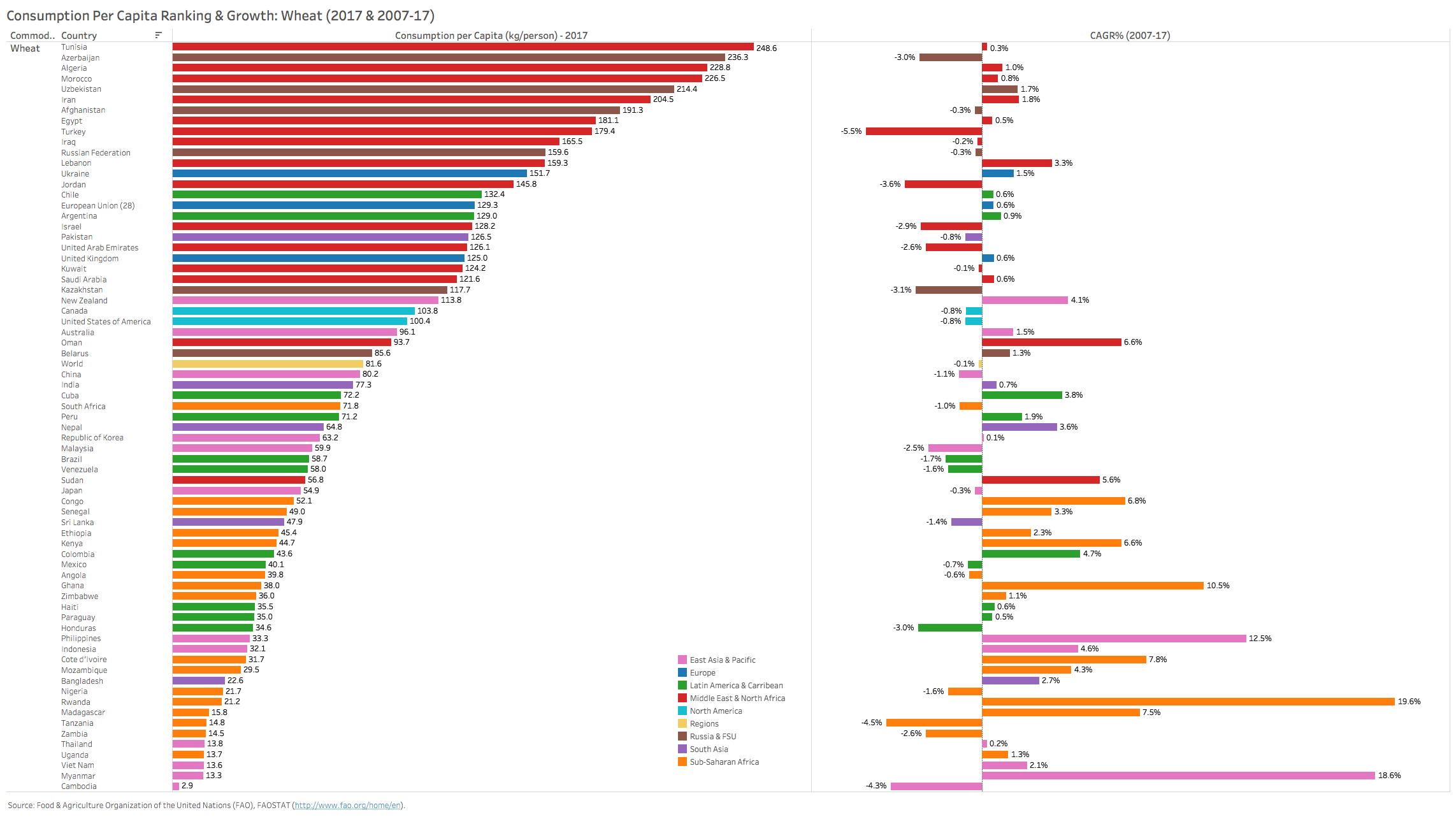
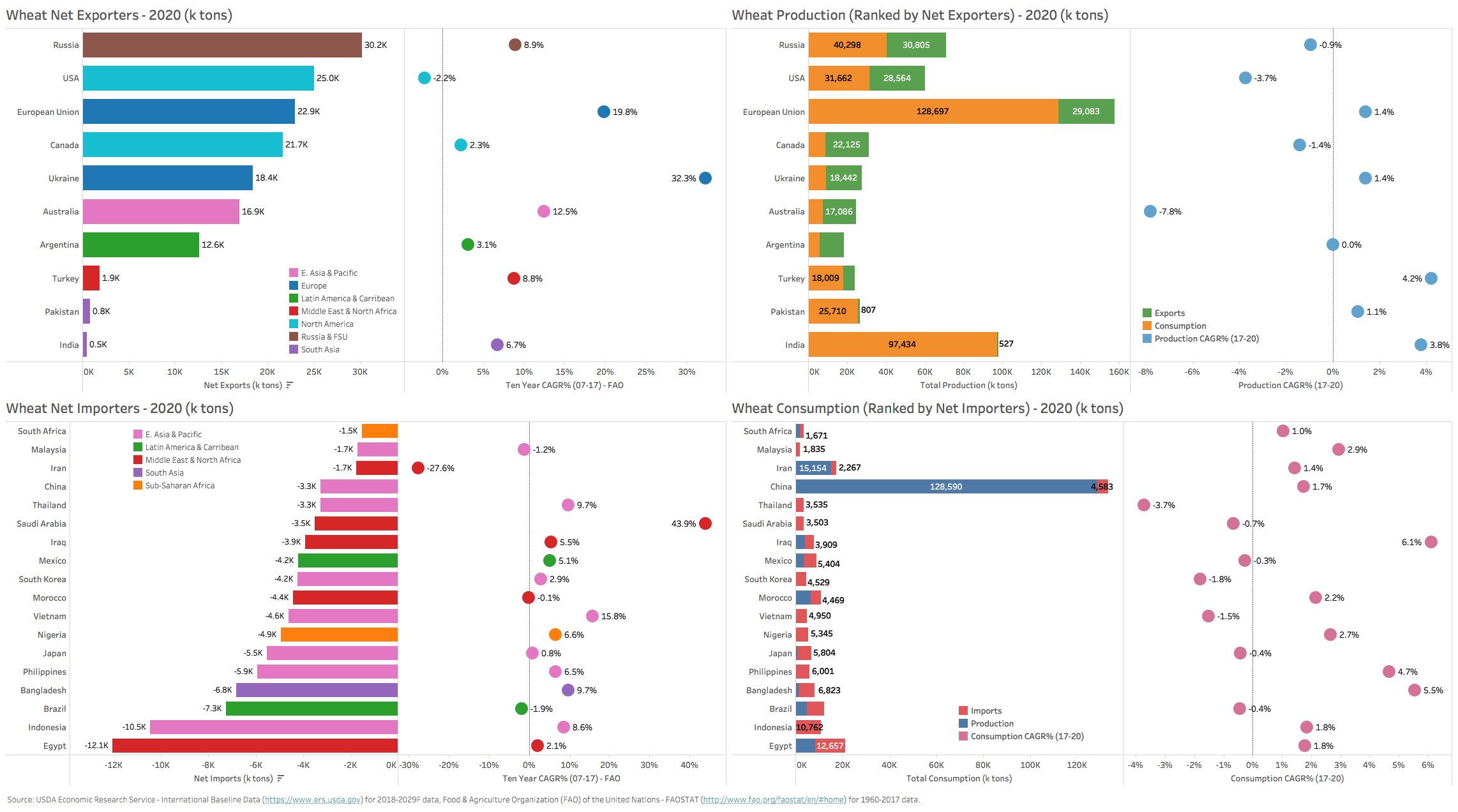
1. MENA countries dominate the list of top per capita wheat consumers globally (11 of the top 20), with several still growing consumption at far higher rates than the world average. Egypt is the world’s biggest net importer of wheat (aggregate tons of 12mil expected in 2020 by the USDA vs. 3.3mil for China), while KSA (the country turned from a modest exporter to a large net importer in the last decade) is the fastest growing wheat importer globally (since 2007). We believe accelerating water shortages and non-competitive feed costs (after subsidies were removed) are likely driving this dynamic.
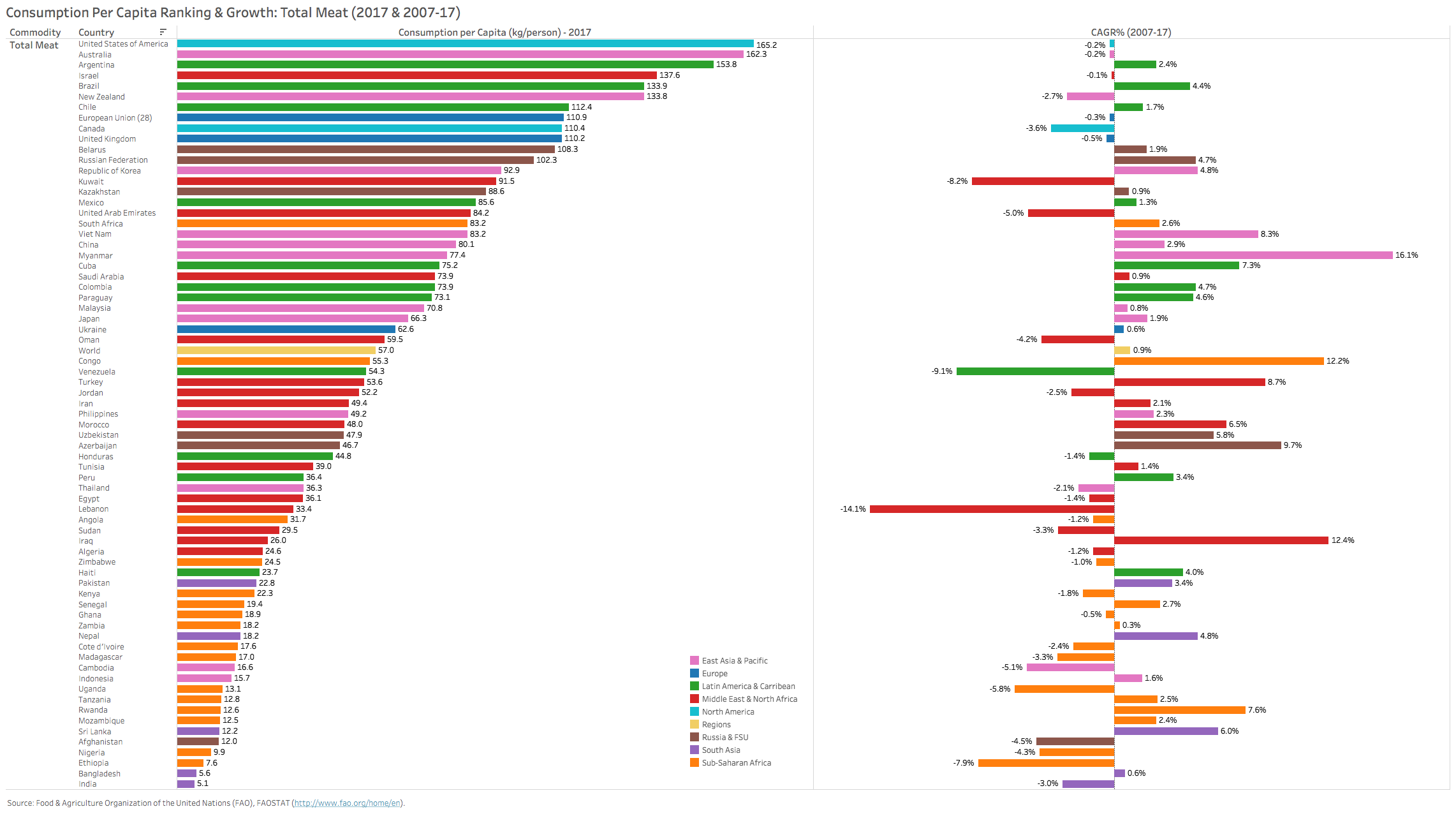
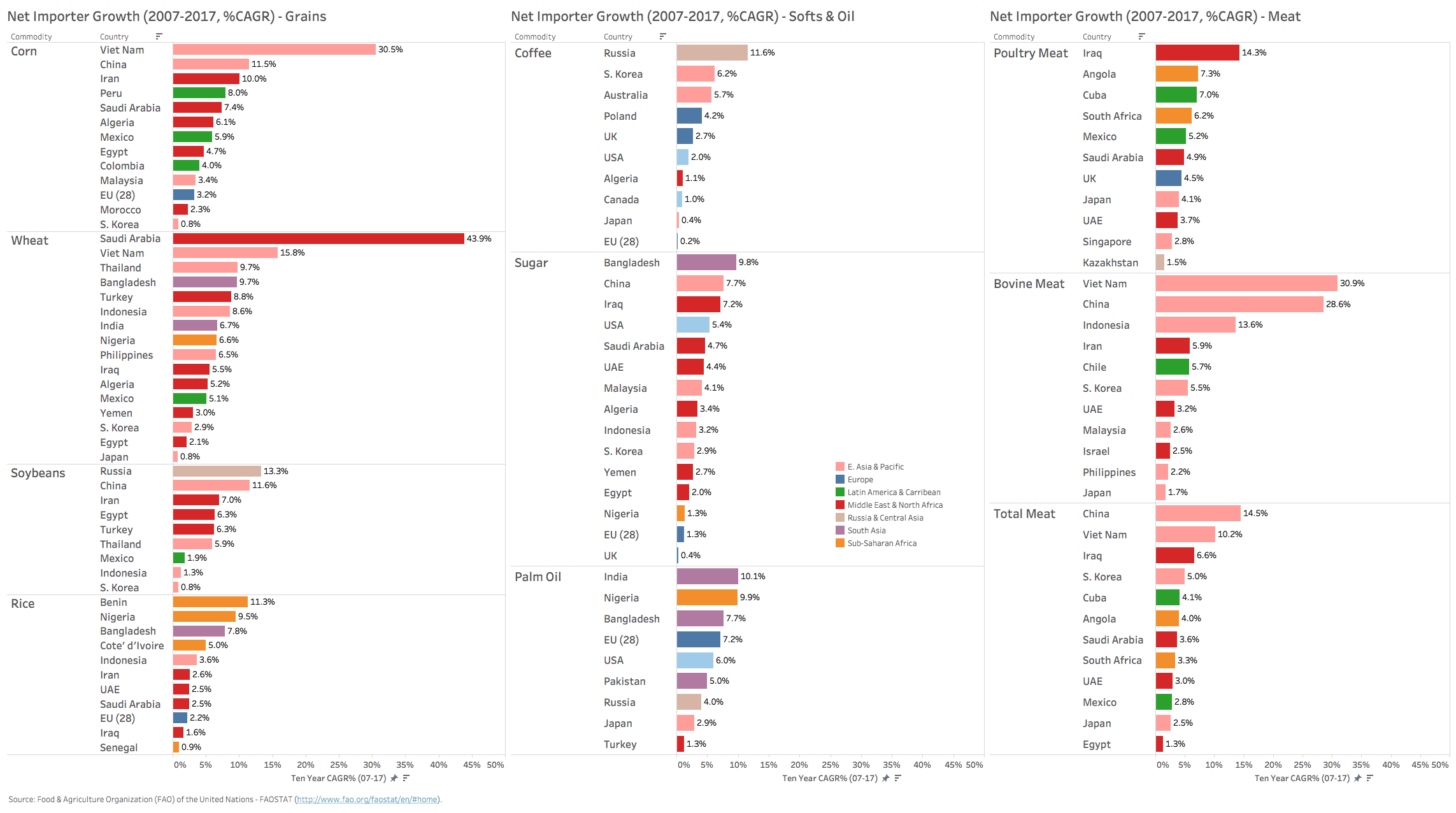
2. MENA countries are also big meat eaters per capita and in the past decade have become some of the fastest growing importers of meat globally (4 of the top 10 include Iraq, KSA, UAE and Egypt).
3. Per capita food production trends are falling for most MENA countries (indexed to 2004/6), some dropping precipitously: Lebanon, Iraq, KSA and Jordan, while the Maghreb countries for themes part have managed to keep production rates stable – mainly by maintaining yields through the productivity lever.

4. Production shortfalls relative to fast growing consumption has however led to world-beating import growth with 8 of the top 20 net per capita food importers globally are MENA countries, while only one (Turkey) remains a net exporter of food (particularly protein). Eight of the top 30 biggest net importers of food per capita are MENA countries (UAE #2 behind first ranked Hong Kong, KSA #6 ahead of the UK).

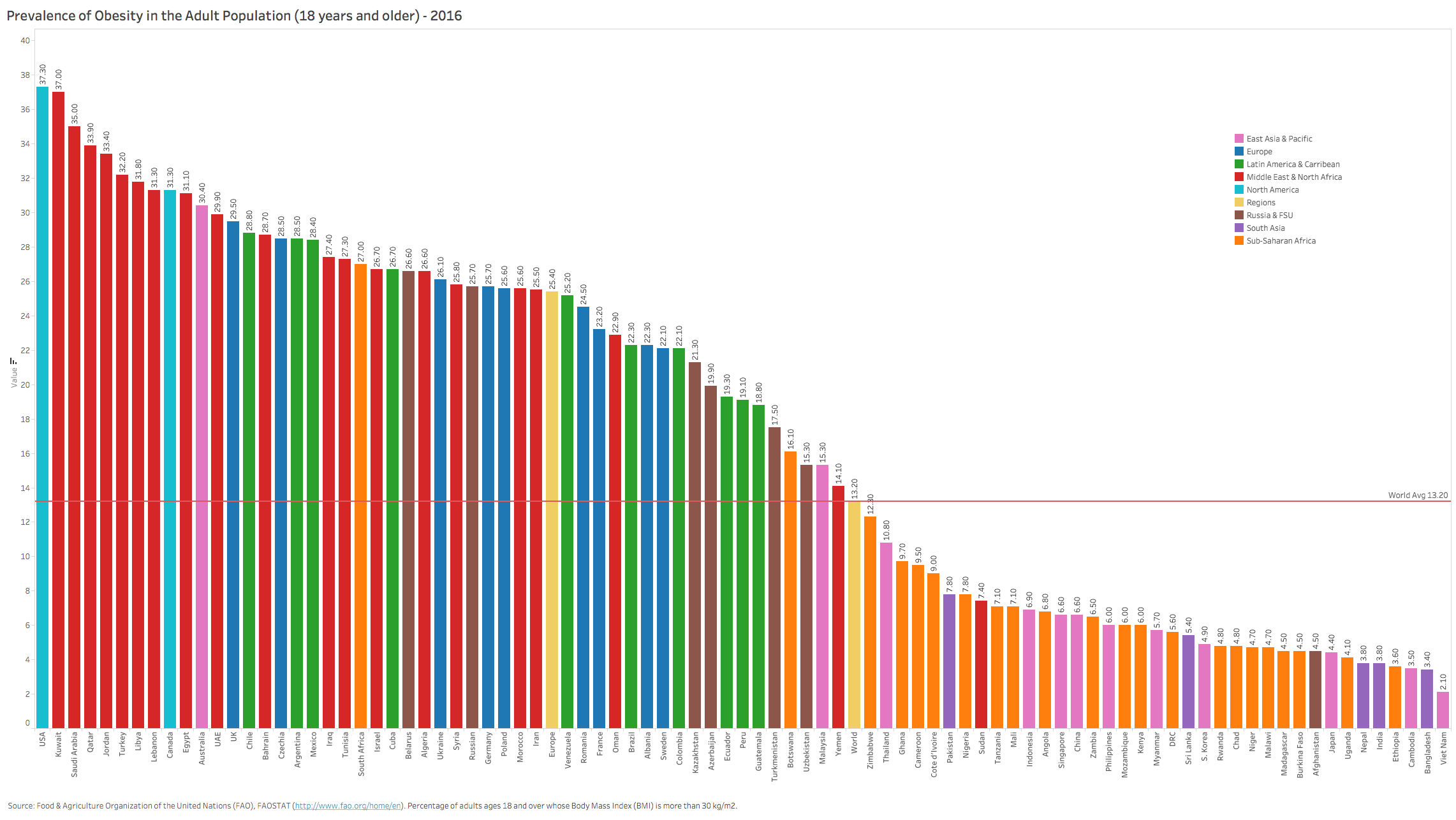
5. Overlay onto this scary picture the fact that MENA countries overwhelmingly dominate the world in prevalence of obesity (12 of the top 20) with only the likes of Sudan and Yemen printing obesity prevalence rates at or below the world average of 13%.
How much of the high and growing consumption is a function of waste, overconsumption or merely the negative consequence of the ‘curse of plenty’ (subsidies and by extension fiscal largesse due to high oil prices of the past decade)? Shouldn’t at least part of this chronic food import dependency be addressed by moderating excessive, unhealthy and wasteful demand?
 Jadara Blog